
Comprehensive Security Solutions for the Digital Age.
Our Expertise
Tailored. Thorough.
Resilient.
GTIS provides end-to-end cybersecurity services. We help organizations identify risks, strengthen security, and achieve regulatory compliance. Our experts deliver penetration testing, vulnerability assessments, and security audits. We also provide managed detection and response (MDR), Security Operations Center (SOC) operations, and cybersecurity consulting to protect your critical assets.
As a trusted compliance partner, GTIS helps businesses meet global and regional standards. This includes ISO 27001, PCI DSS, CERT-In, GDPR, DPDP, CCPA, DORA, NIS2, STQC, and TX-RAMP. We deliver tailored solutions for security assessments, compliance audits, 24/7 threat monitoring, and rapid incident response. Explore our full cybersecurity, compliance, and managed security services below.
PCI DSS 4.0.1 Compliance
The Payment Card Industry Data Security Standard (PCI DSS) 4.0.1 is the latest evolution in securing payment data. It emphasizes continuous security processes and flexibility in meeting security goals. Our specialized auditors guide you through every requirement to achieve seamless compliance.
ISO 27001 Certification
ISO/IEC 27001 is the international standard for information security management systems (ISMS). It provides a framework for managing security risks and protecting sensitive data through robust controls.
SOC Compliance
System and Organization Controls (SOC) reporting ensures that service providers maintain high standards of internal control to protect client data and privacy.
GDPR Assessment & Compliance
The General Data Protection Regulation (GDPR) is a comprehensive privacy law in the EU. We help organizations assess their data protection activities and ensure compliance with strict privacy rights.

CCPA Compliance
The California Consumer Privacy Act (CCPA) provides California residents with rights over their personal information and imposes obligations on businesses regarding data transparency and security.

DPDP Compliance
The Digital Personal Data Protection Act (DPDP Act) governs personal data processing in India. We assist organizations in build robust compliance frameworks, managing consent, and protecting data rights.
HIPAA Compliance
The Health Insurance Portability and Accountability Act (HIPAA) sets the standard for protecting sensitive patient data. Any company that deals with protected health information (PHI) must ensure that all the required physical, network, and process security measures are in place and followed.
HITRUST
HITRUST provides a common security framework (CSF) that harmonizes multiple compliance standards including HIPAA, ISO, and NIST. It is widely recognized in the healthcare industry.
NIS2 Compliance
The NIS2 Directive aims to achieve a high common level of cybersecurity across the European Union, expanding the scope to more sectors and introducing stricter enforcement requirements.
CERT-In
As a CERT-In empanelled auditor, GTIS is authorized to conduct security audits for government and critical infrastructure organizations in India, ensuring adherence to national cybersecurity standards.

STQC Compliance
Standardisation Testing and Quality Certification (STQC) services focus on quality assurance and conformity assessment for electronics and IT products and services in India.

TX-RAMP
The Texas Risk and Authorization Management Program (TX-RAMP) provides a standardized approach for security assessment, authorization, and continuous monitoring of cloud services used by Texas state agencies.
AML Compliance
Anti-Money Laundering (AML) compliance involves implementing procedures to detect and report suspicious activities related to money laundering and terrorism financing.

DORA
DORA is a European regulation that creates a binding operational resilience framework for the financial sector, ensuring firms can withstand and recover from ICT-related disruptions.


EU AI Act Compliance
The EU AI Act is the world's first comprehensive legal framework for artificial intelligence, establishing risk-based rules for AI systems to ensure they are safe, transparent, and ethical.
ISO 42001 Certification
ISO/IEC 42001 is the international standard for Artificial Intelligence Management Systems (AIMS). It provides requirements for establishing, implementing, and improving AI systems responsibly and ethically.
PCI Approved Scanning (ASV)
Compliance as a Service (CAAS)
Data Privacy Consulting
CISO as a Service
Training Services
PCI DSS 4.0.1
ISO 27001 Consulting
GDPR Consulting
ISO 42001 Consulting
Conducting mandatory quarterly external vulnerability scans by a PCI SSC Approved Scanning Vendor to maintain payment brand compliance.
PCI Approved Scanning (ASV)
Conducting mandatory quarterly external vulnerability scans by a PCI SSC Approved Scanning Vendor to maintain payment brand compliance.

Compliance as a Service (CAAS)
Continuous monitoring and management of your compliance status across multiple frameworks ensuring you stay audit-ready 24/7.
Data Privacy Consulting
Guidance on navigating complex global privacy laws including GDPR, CCPA, and regional data protection acts.
CISO as a Service
Access to executive-level security leadership to define strategy, manage budgets, and oversee organizational security governance.

Training Services
Specialized security awareness and technical training programs designed to empower your workforce against social engineering and cyber threats.
PCI DSS 4.0.1
Specialized consulting for transitioning to the PCI DSS 4.0.1 standard, ensuring all new security requirements and controls are met.
ISO 27001 Consulting
Framework implementation and audit preparation for the ISO/IEC 27001 Information Security Management System standard.
GDPR Consulting
Comprehensive GDPR compliance assessments and implementation of required data protection controls for global operations.
ISO 42001 Consulting
Build an Artificial Intelligence Management System (AIMS) aligned with ISO/IEC 42001, covering AI governance, risk assessment, and ethical guidelines.
VAPT
Cyber Risk Assessment
SIEM (Cloud & On-Premise)
Enterprise Risk Management
Threat Management
Firewall Review
SOC Consulting
Forensic as a Service
DPDP Consulting
Vulnerability Assessment and Penetration Testing (VAPT) helps identify and remediate security gaps in your infrastructure and applications before they can be exploited.
VAPT
Vulnerability Assessment and Penetration Testing (VAPT) helps identify and remediate security gaps in your infrastructure and applications before they can be exploited.

Cyber Risk Assessment
Evaluating your organization's security posture to identify risks, assess potential impacts, and prioritize mitigation strategies.
SIEM (Cloud & On-Premise)
Implementation and management of Security Information and Event Management systems for real-time visibility and threat detection.
Enterprise Risk Management
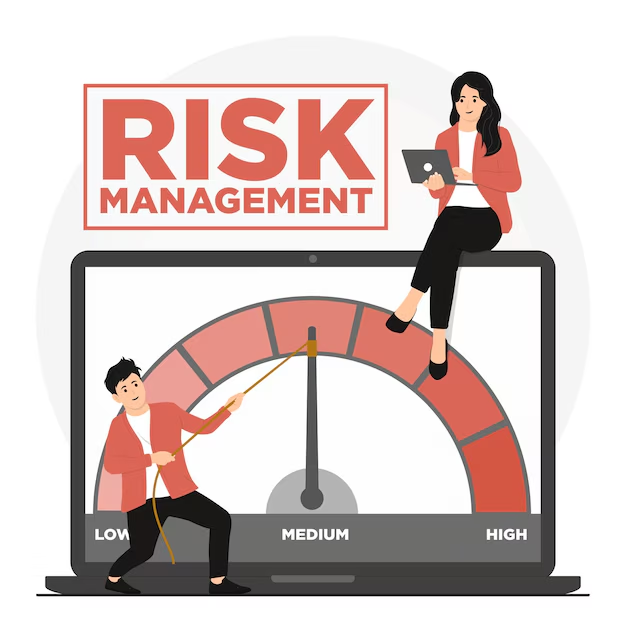
Developing comprehensive institutional frameworks to manage strategic, operational, and financial risks across all layers of the modern enterprise.
Threat Management
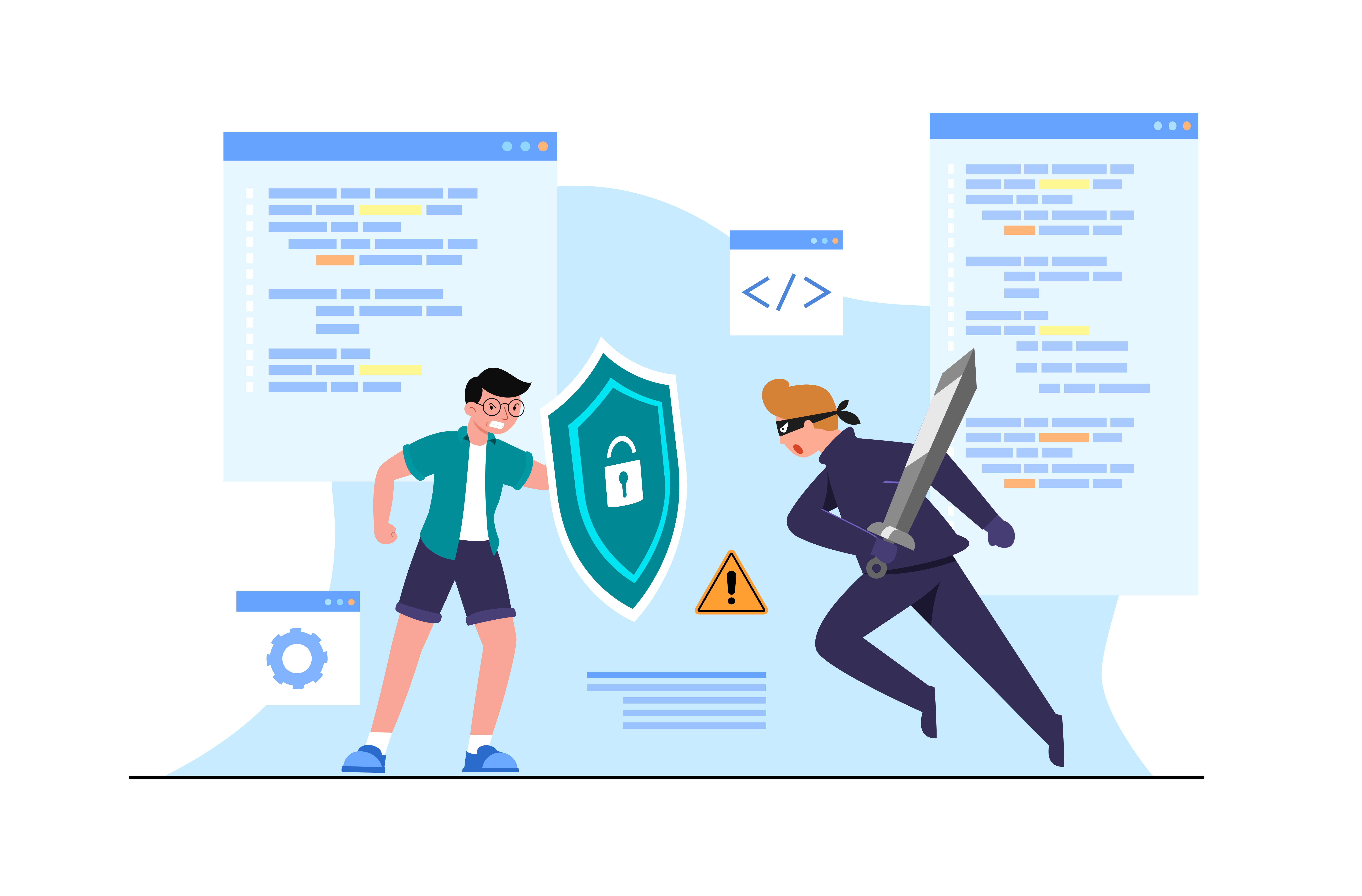
Proactive identification, assessment, and neutralization of advanced persistent threats and internal security risks.
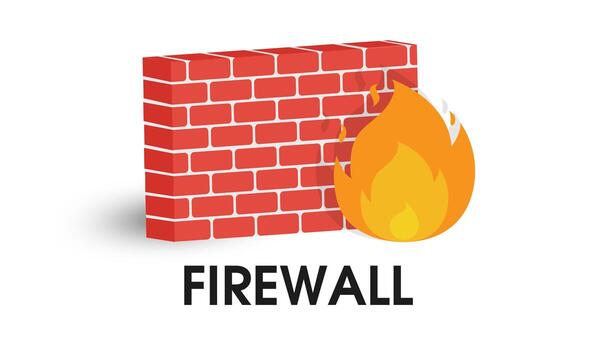
Firewall Review
Systematic auditing of firewall rules and configurations to ensure optimal performance and eliminate security bypasses.
SOC Consulting
Strategic guidance and readiness assessment to help your organization achieve and maintain SOC compliance.

Forensic as a Service
Expert digital forensic investigation and incident response to recover data and identify the origin of cyber attacks.
DPDP Consulting
Prepare for India's DPDP Act with expert gap assessment, consent architecture design, DPO training, and comprehensive data protection consulting.
External pentesting
Internal pentesting
Enterprise Wireless pentesting
Mobile Application pentesting (Android & iOS)
Web Application pentesting
Web Services & Api pentesting
Internal Vulnerability Assessment (IVA)
Approved Scanning Vendor (ASV)
Windows POS
Android POS
In the dynamic landscape of cybersecurity, External Penetration Testing emerges as the vigilant guardian of your digital fortress.
Businesses recognize the critical importance of fortifying their external defenses against evolving threats— not just to protect data, but to strengthen trust with clients, partners, and stakeholders.
External pentesting
In the dynamic landscape of cybersecurity, External Penetration Testing emerges as the vigilant guardian of your digital fortress. Businesses recognize the critical importance of fortifying their external defenses against evolving threats— not just to protect data, but to strengthen trust with clients, partners, and stakeholders.
Internal pentesting
Internal Penetration Testing simulates an insider threat scenario — where a user with physical or logical access attempts to compromise internal systems. This ethical hacking method helps organizations discover what vulnerabilities may be exploited by employees, contractors, or attackers who’ve breached the perimeter.
Enterprise Wireless pentesting
Wireless penetration testing simulates attacks on your wireless networks to evaluate how secure your access points, encryption protocols, and internal segmentation are. By identifying misconfigurations or weak defenses, we help prevent unauthorized access from outside and ensure guest and employee networks are fully isolated.
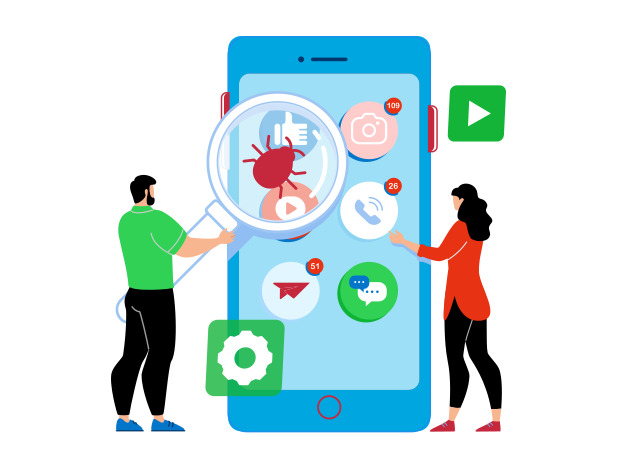
Mobile Application pentesting (Android & iOS)
Mobile apps play a critical role in modern business and everyday life — from banking to healthcare. But the growing data they handle also makes them high-value targets for hackers. As new vulnerabilities emerge, it’s essential to proactively secure your mobile platforms.
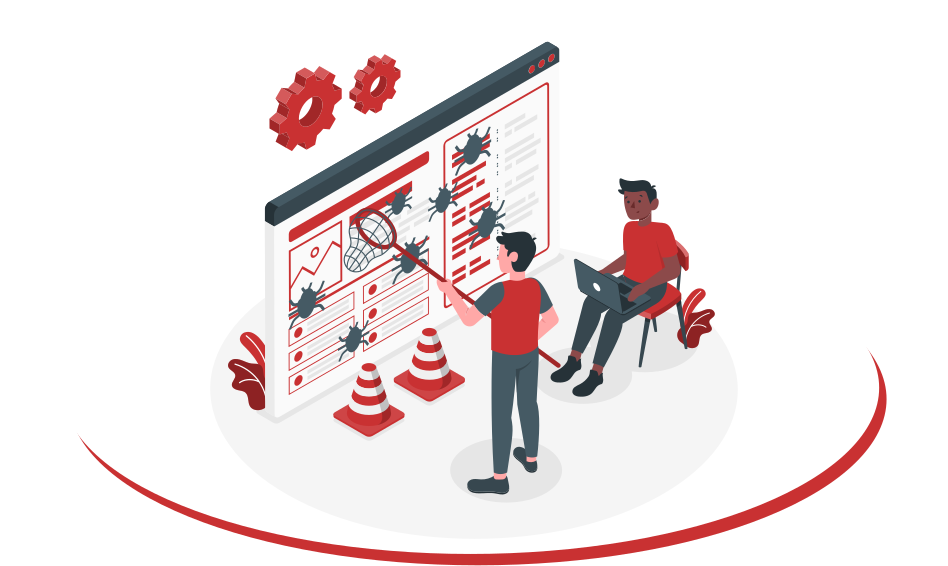
Web Application pentesting
A Web application (Web app) is an application program that is stored on a remote server and delivered over the Internet through a browser interface. Web apps process sensitive data such as user and financial information, making them frequent targets for cybercriminals. As web apps grow more complex, the range of exploitable vulnerabilities increases.
Web Services & Api pentesting
Web services and APIs form the backbone of digital platforms — from mobile apps to cloud-native systems. While they offer speed and flexibility, they can also expose sensitive functions if not secured properly. GTIS's API and Web Services penetration testing helps you identify and remediate vulnerabilities before they're exploited...
Internal Vulnerability Assessment (IVA)
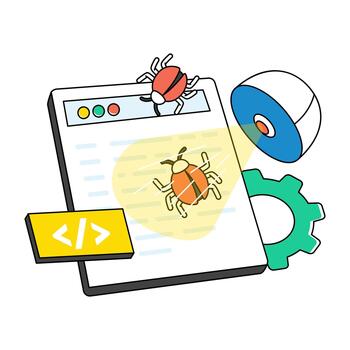
Internal Vulnerability Assessment (IVA) is the process of identifying, defining, and classifying security weaknesses in your internal network, computer systems, and communications infrastructure. It helps organizations understand where real internal business risks lie, what needs to be addressed, and how. Proactively detecting internal threats boosts your organization's ability to defend and builds customer confidence.
Approved Scanning Vendor (ASV)
All entities including merchants, service providers and financial institutions must get a quarterly scan completed to remain compliance with the PCI DSS standards.

Windows POS
Point-of-Sale (POS) systems are critical to retail and hospitality. Windows-based POS environments require specialized penetration testing to ensure payment data and customer information remain secure against modern threats.

Android POS
Modern Android POS systems bring flexibility but also new attack vectors. We conduct deep-dive penetration testing on Android-based POS architectures to secure transactions and protect sensitive data from compromise.
Enterprise Risk Management
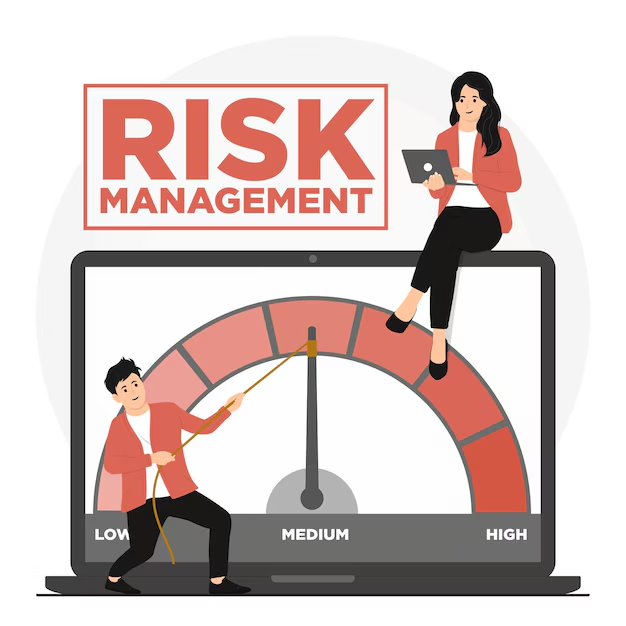
Institutional-grade ERM providing a robust framework for identifying, assessing, and mitigating strategic, operational, and financial risks. We quantify vulnerability into actionable intelligence to protect capital and create stakeholder value.
Firewall Review
At GTIS, the Firewall Configuration Review examines the system from the inside out, with complete access to its configuration. The purpose is to ensure maximum perimeter security by producing the best possible review outcome. GTIS thoroughly examines the firewall’s full setup in accordance with industry best practices, including PCI-DSS and Center for Internet Security guidelines, to guarantee it is secure
Threat Management
Threat management is a comprehhttp://localhost:3000/servicesensive approach to network security that addresses multiple types of malware, as well as blended threats and spam. It protects your organization from intrusion at both the gateway and the endpoint levels, ensuring your critical assets are secure.
Cyber Risk Assement
Cyber Risk Assessments are critical tools used to identify, estimate, and prioritize threats to an organization's operations (including mission, functions, image, and reputation), assets, individuals, and the broader Nation. This process is essential due to the continuous operation and use of information systems
SIEM
Security Information and Event Management (SIEM) systems are foundational for modern security operations. They work by **aggregating data from multiple sources**, identifying deviations from normal behavior, and automating appropriate responses. For example, when a potential issue is detected, a SIEM system can log additional information, generate an alert, and instruct other security controls to stop an activity's progress.
Managed detection and response (MDR)
Security information and event management (SIEM)
Attack surface management (ASM)
Industrial ops and critical infrastructure (ICS/OT/SCADA)
Advanced detection and rapid response capabilities to identify, contain, and eliminate cyber threats before they disrupt your business operations.


Managed detection and response (MDR)
Advanced detection and rapid response capabilities to identify, contain, and eliminate cyber threats before they disrupt your business operations.

Security information and event management (SIEM)
Comprehensive SIEM solutions that aggregate, analyze, and correlate security data from across your enterprise to identify anomalies and provide real-time alerting.

Attack surface management (ASM)
Continuous discovery, inventory, classification, and monitoring of your IT infrastructure to identify vulnerabilities across your entire digital footprint.

Industrial ops and critical infrastructure (ICS/OT/SCADA)
Specialized security for industrial control systems and operational technology environments, safeguarding critical infrastructure against targeted attacks.


24/7 SOC Operations
Our round-the-clock Security Operations Center provides continuous monitoring, immediate threat detection, and rapid incident response to protect your global assets.
SIEM (Security Management)
Advanced SIEM solutions aggregate and analyze security data from across your enterprise to identify anomalies and provide real-time alerting.
Ready to Strengthen Your Digital Fortress?
Secure your perimeter with our institutional-grade security assessments.